Very hardy red-leafed variety of our native chokecherry. Drooping cylindrical creamy-white flower clusters in spring. 1/4-3/8” red to purple-black fruit is useful for jellies, syrup, juice and wine (with lots of added sugar). Edible ¼” fruits ripen from red to dark purple; excellent bird food. New foliage is bright shiny green, turning maroon-red with maturity. New growth throughout summer provides a handsome two-color contrast. Fall foliage is red to reddish-purple. Tends to sucker. Drought tolerant once established. Fruit attracts birds in summer. Very uniform growing small ornamental tree. Moderate to fast growth rate (24-36” per year once established). Note: Chokecherries are toxic to livestock.
The Canada Red Chokecherry (Prunus virginiana ‘Canada Red’) is a unique and distinguished, small deciduous tree to add to a landscape. It brings interest and color throughout the growing season. It is one of the first trees to leaf out in the spring, providing an early source of food for pollinators. It makes a wonderful lawn tree, providing dappled shade and enough light to come through for turf to survive. The Canada Red Chokecherry grows in an oval shape with an upright and spreading growth habit and good branch structure. It grows to a height of 25 feet tall and 20 feet wide. The leaves emerge bright green with a tinge of bronze in the spring, maturing to a deep, rich, maroon color in the summer. The transition from green to purple leaves is a sight to behold when half the tree is still green and half is purple!
Honeycrisp apple trees grow crisp fruit with a sweet and slightly tart taste. While generally considered challenging to grow, these trees live best in cooler climates, making them a good choice for gardeners in the Midwest and northern U.S.
The Sweet Sixteen apple tree is a cultivar developed by the University of Minnesota, known for its crisp, juicy apples with a sweet flavor and hints of cherry and vanilla. It is cold-hardy, disease-resistant, and typically ripens in mid to late September.
A very hardy peach tree that does well along the Front Range. This tree produces a heavy crop of fruit as far north as Canada, even after frigid winters. Fruit is medium-to-large with a sweet, peachy flavor. Features a flush of pink flowers in spring. Originates from New Hampshire in 1964. Cold-hardy. Freestone. Ripens in July. Self-pollinating.
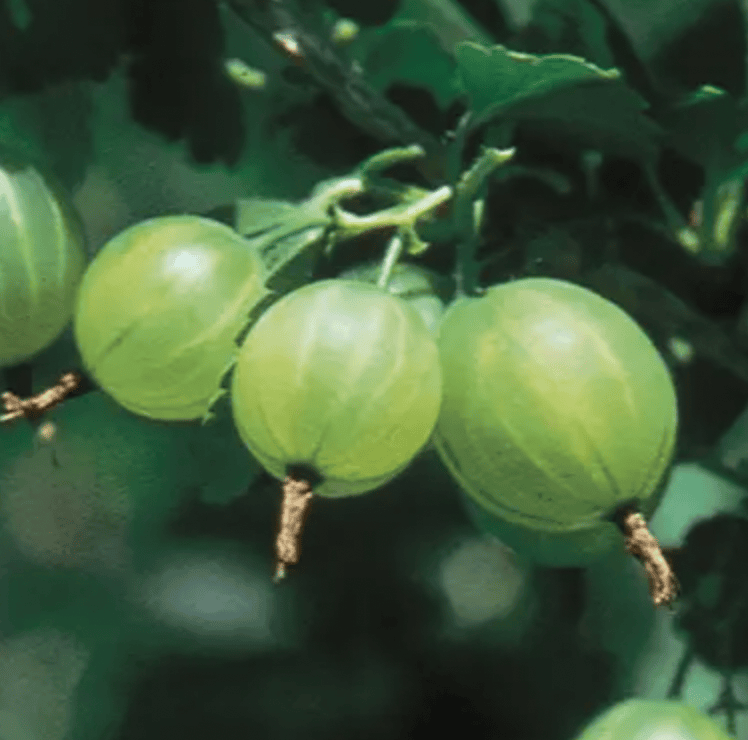
Introduced in the 1930s, Pixwell Gooseberry produces big green berries that ripen to pale pink in the summertime. The medium-to-large tart berries are excellent baked into pies or made into preserves. The easy-care, vigorous shrub grows 4-5 ft. tall. At maturity, the drought-tolerant and cold-hardy bush will yield 4-6 quarts of easy-to-pick fruits. Pixwell Gooseberry can be planted as a fruiting hedge in the edible landscape. Self pollinating. Zones 3-6.
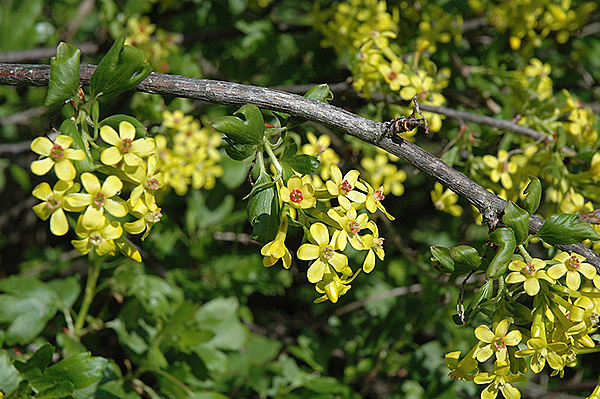
Rocky Mountain native with an improved fruiting habit. Very fragrant, clove-scented yellow blooms appear in May followed by black teardrop-shaped edible fruit. Fall color is a fine orange to red. Tolerates dry conditions. An excellent shrub for multi-seasonal interest.
Saskatoon serviceberry (Amelanchier alnifolia) is a North American native shrub or small tree known for its multi-season interest, featuring white spring flowers, edible blueberry-like berries in summer, and colorful fall foliage. Also called juneberry or western serviceberry, it's valued for its ornamental appeal, wildlife benefits, and edible fruit used in jams, pies, and fresh eating, thriving in various conditions but preferring well-drained soil.
The Autumn Brilliance Serviceberry Multistem is a great small tree prized for its abundance of showy white flowers in spring and consistently beautiful fall colors, a tremendous three-season shade tree for small landscapes. It is covered in stunning clusters of white flowers rising above the foliage in early spring before the leaves. It has dark green deciduous foliage. The oval leaves turn an outstanding brick red in the fall. It produces blue berries from late spring to early summer. The smooth gray bark adds an exciting dimension to the landscape.
Autumn Brilliance Serviceberry is an open multi-stemmed deciduous tree with a more or less rounded form. Its relatively fine texture distinguishes it from other landscape plants with less refined foliage. This relatively low-maintenance tree is best pruned in late winter once the threat of extreme cold has passed. It is a good choice for attracting birds to your yard, but is not particularly attractive to deer who tend to leave it alone in favor of tastier treats
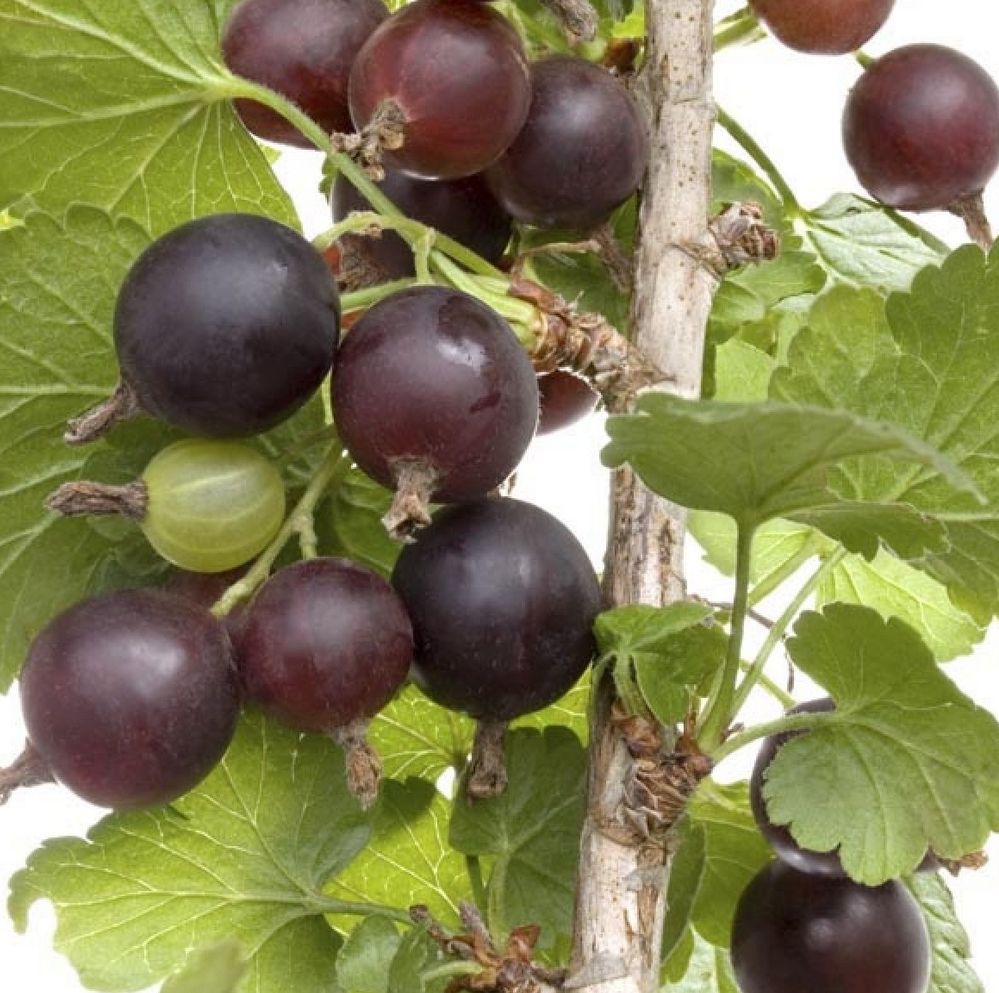
If you’re looking for a versatile and resilient berry plant for your homesteading or permaculture garden, look no further than the Jostaberry. This hardy plant, a cross between a black currant and a gooseberry, offers a unique flavor and abundant harvests, making it an ideal choice for any garden.
Sun-kissed, honey-sweet, and uniquely golden, Fall Gold loads canes with translucent amber berries that taste like dessert right off the vine. This everbearing standout treats you to a late-summer/early-fall harvest on first-year canes, with an encore the following early summer—perfect for snacking, jam, freezing, and showy fruit salads that actually look as special as they taste.
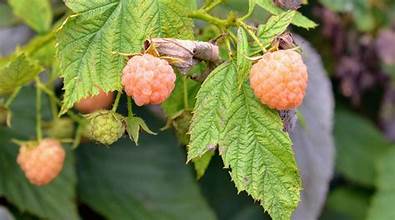
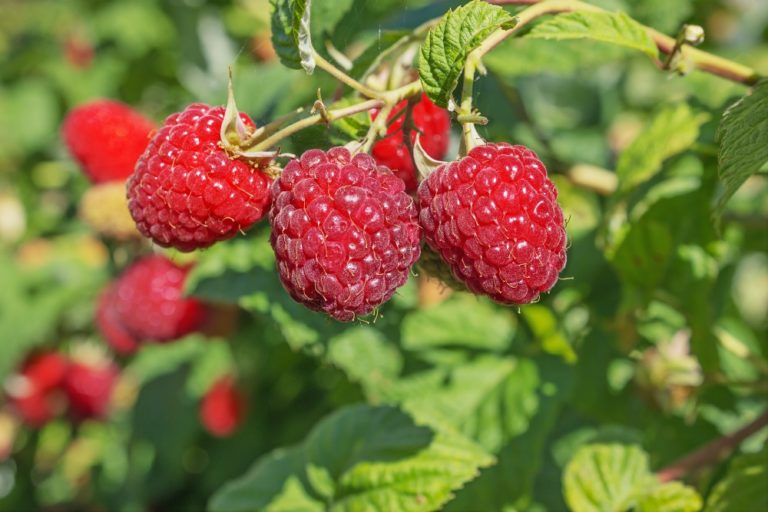
Heritage everbearing red raspberry is a favorite for its flavor, firmness and fruit size. This variety produces abundant crops of large, sweet, dark red berries that are perfect for eating fresh, canning, freezing, or making jams and jellies. These self-supporting, upright canes are hearty enough to grow in poor soil, but requires a well-drained site.
This bush has two harvest seasons, with a moderate yield in July and a heavy yield in September until frost, making them everbearing. Floricane berries ripen in July and primocane berries ripen in September through frost. Red Heritage is cold-hardy and self-pollinating -a licensed variety of Cornell University.
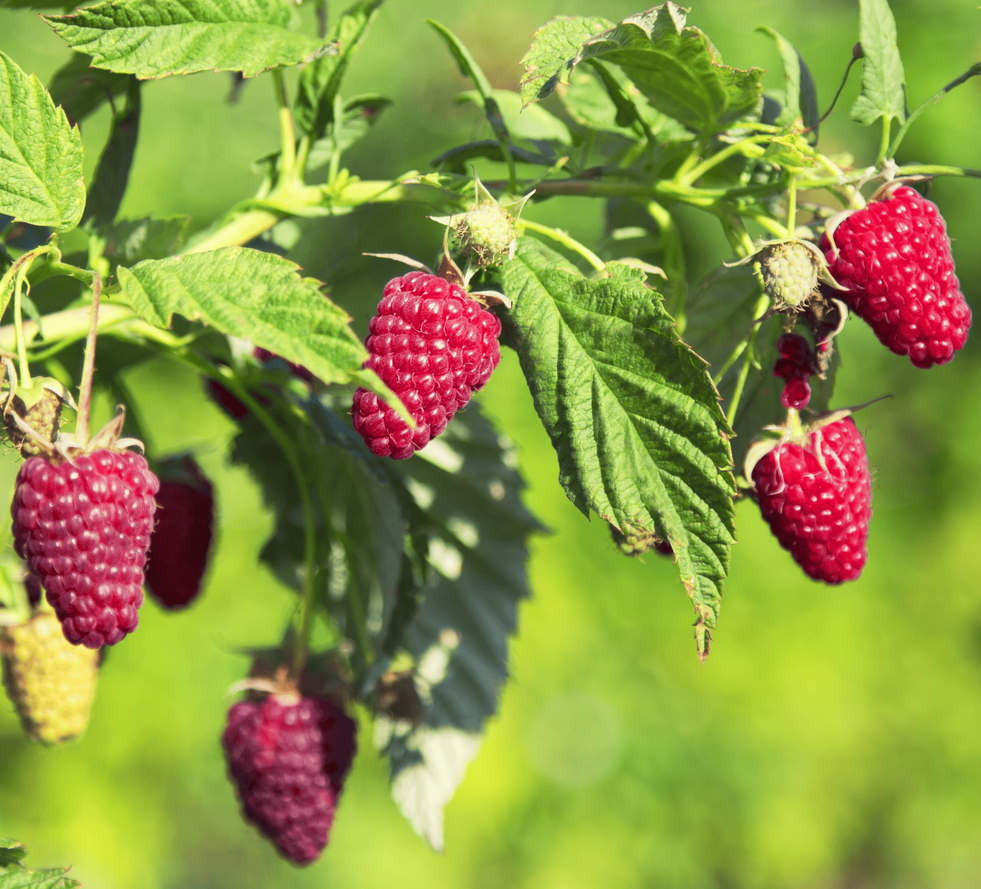
Extend the raspberry harvest season with Prelude, a very early-ripening, summer-bearing red raspberry. Typically bears most of its berries in mid-June, followed by a smaller fall-season harvest. The medium to large, red berries have very good flavor, and are borne on vigorous plants.
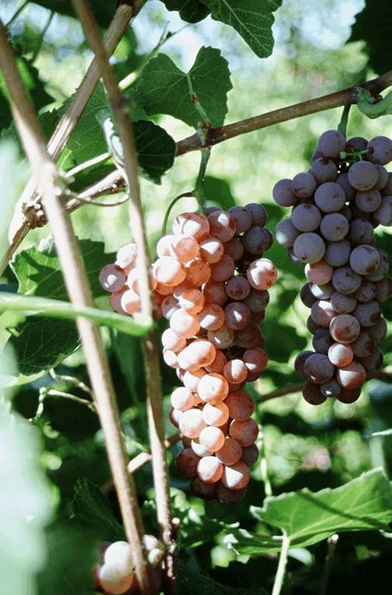
Flambeau Seedless Grape is another grape that was developed specifically for cold hardiness. Flambeau has seedless, pink to red grapes on clusters of small to medium-sized berries with sweet, strawberry like flavor that ripen in early September. Excellent for eating out of hand, juice and jelly.
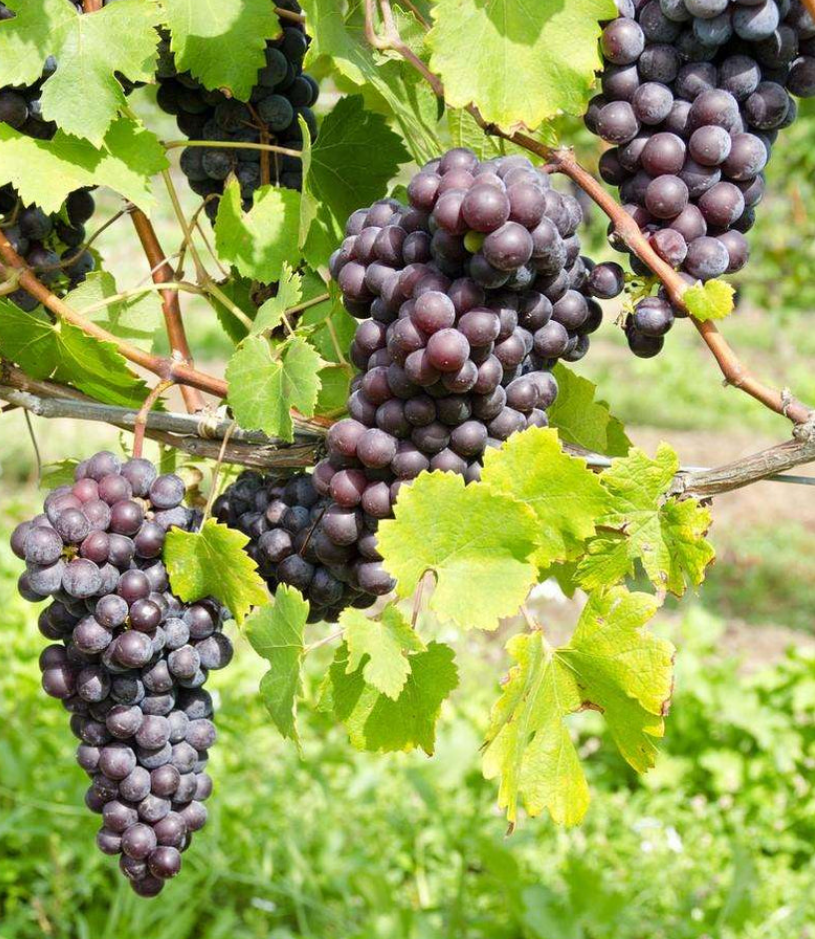
Vigorous vine. This mostly seedless purple grape grows well on an arbor or screen. The slip-skin fruit has an excellent flavor. Tolerant of alkaline soil. Cold-hardy — stands up to temperatures as low as -30ºF. Ripens in early September. Self-pollinating.
Valiant grape is a cold-hardy variety of grape vine known for its sweet and tart flavor, making it suitable for fresh eating, juice, jams, and jellies. It is self-fertile and can withstand very low temperatures, thriving in hardiness zone 2.
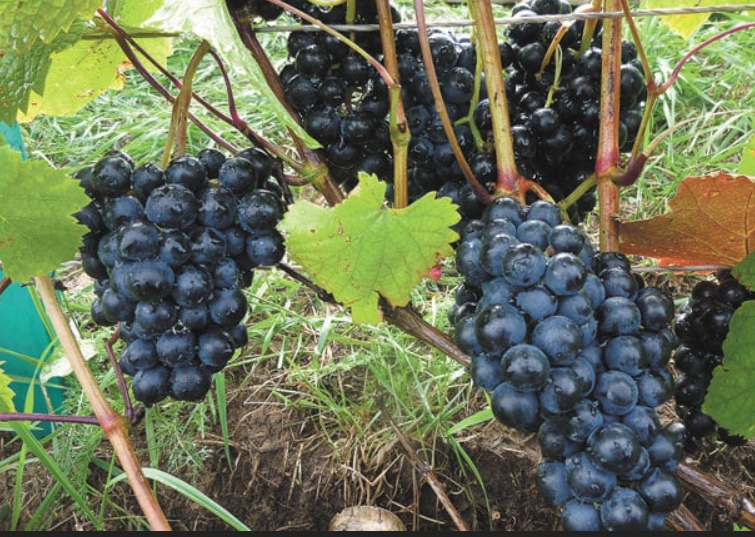
Marquette was introduced in 2006 by the University of Minnesota. It is known as a disease resistant red grape variety that produces medium-bodied, dry, red wine and is suitable for extended maturation in oak barrels. Over time, it has become one of the most popular grapes adapted to cold climates.
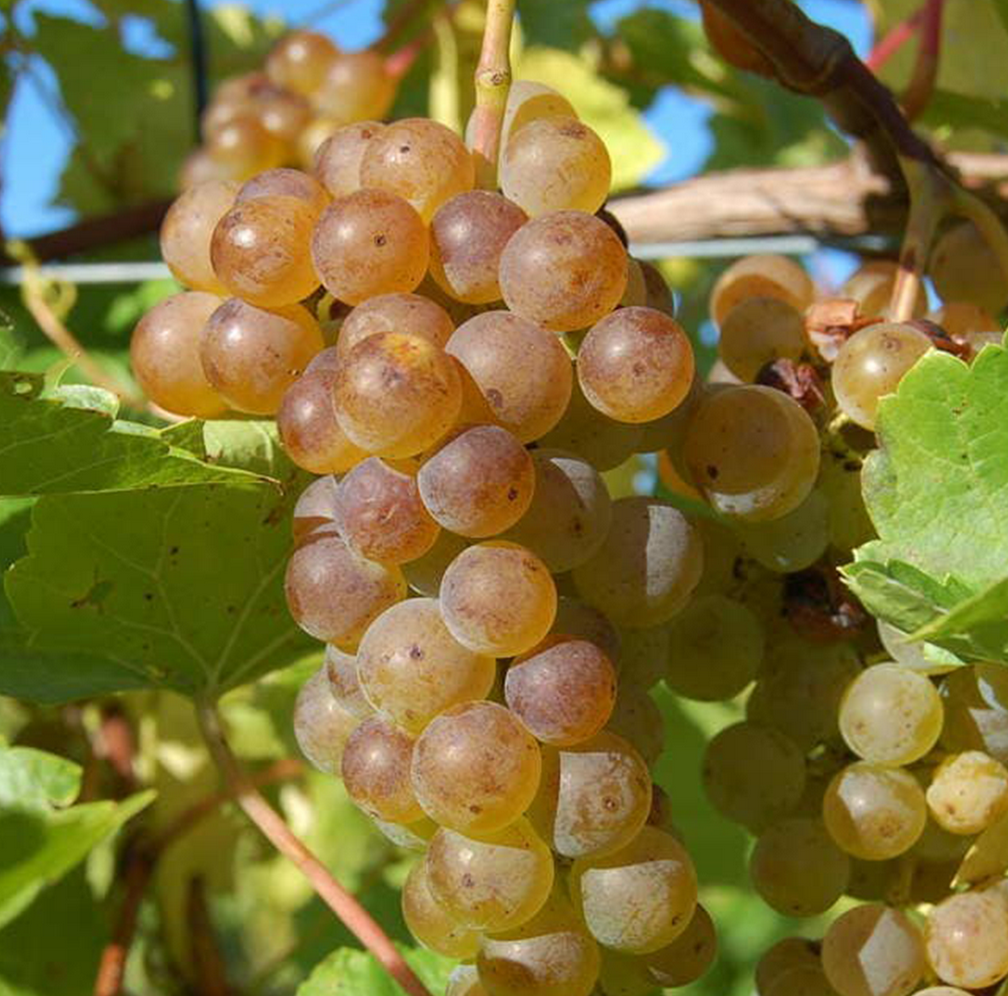
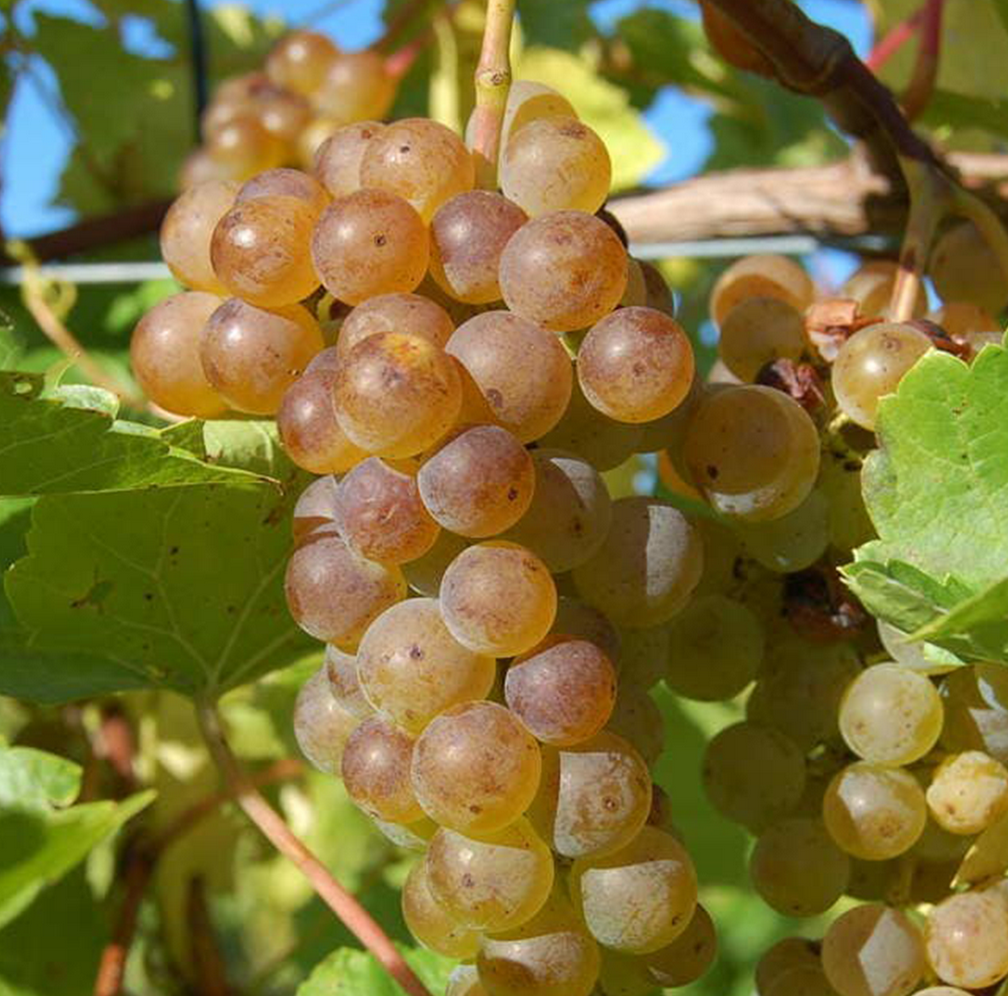
LaCrosse Grape is another great, cold hardy vine from the great grape breeder Elmer Swenson of Minnesota and Wisconsin fame! This is a white, seeded grape with round, green to gold fruit on full medium-sized clusters. Although bred for wine making, its sweet, juicy flavor is great for eating out of hand. Ripens in September.